Why You Shouldn’t Ignore a Wasp Nest in Your Garden
Discovering a wasp nest in your garden might seem like a minor nuisance at first. If it’s tucked away in a hedge, tree, or tucked under the eaves of a shed, it’s tempting to leave it be. But ignoring it can quickly turn into a bigger issue — especially as the season progresses.
A Nest Grows Rapidly Through Summer
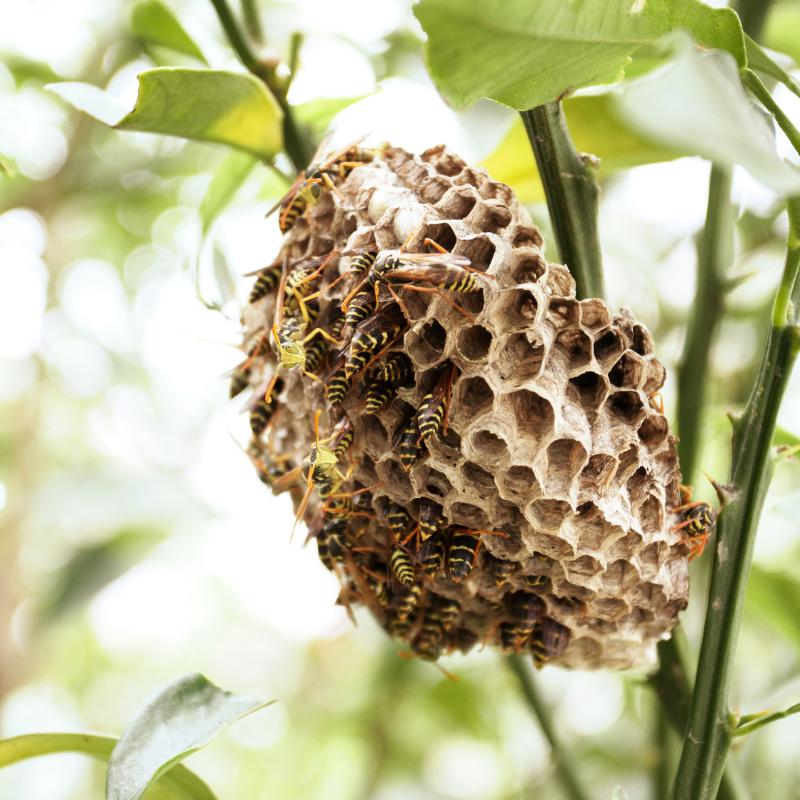
Wasps are most active from late spring through to early autumn. A single nest can start with just one queen in April, but by August, it can hold several thousand workers. What starts as the odd wasp buzzing past your patio can escalate to swarms investigating food, bins, and even your home.
As the nest expands, so does the wasps’ need for sugar and protein. This is when they become more aggressive around people, particularly at barbecues or near compost heaps and pet food. If disturbed — even accidentally — they can attack in numbers.
The Risk to People and Pets
A wasp sting is unpleasant, but for some, it’s much worse. Multiple stings can be dangerous, especially for children, elderly people, and pets. For those with allergies, a single sting may trigger a serious reaction. Nests built close to entry points or walkways are particularly risky, as it’s easy to disturb them unknowingly.
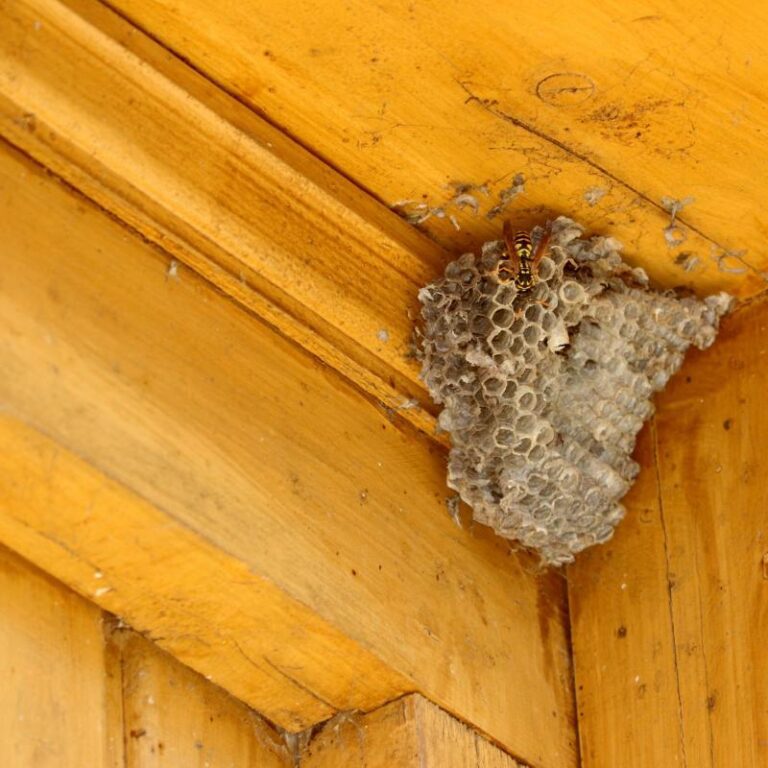
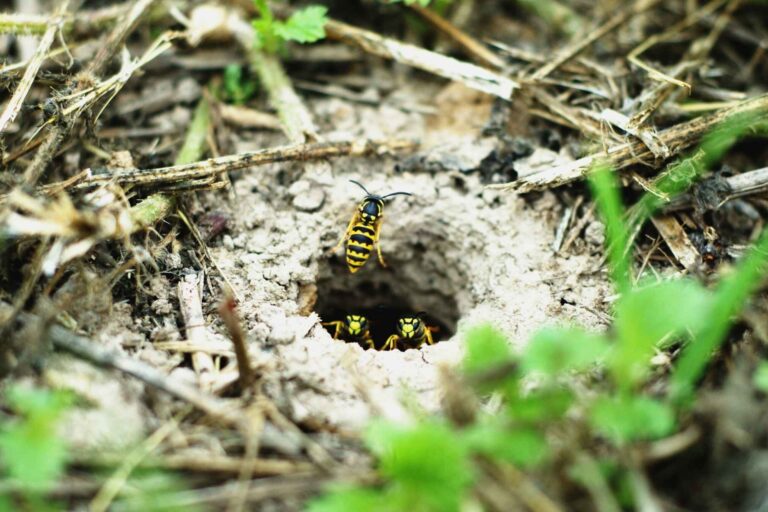
In some cases, wasps build nests in wall cavities, roof spaces, or sheds, where they’re hidden from view but dangerously close to everyday activity. You might not realise it’s there until someone gets stung.
Leaving It Won’t Solve the Problem
Unlike bees, wasps don’t reuse old nests. That said, letting a nest run its course doesn’t mean the end of your wasp troubles. As summer ends, the colony begins to break down, and worker wasps become more erratic and aggressive. Queens produced in the nest may also start new colonies nearby the following year.
Ignoring the issue this season could mean even more nests next year.
Professional Help Is Simple and Safe
Trying to deal with a wasp nest yourself can be dangerous. Sprays from hardware shops are rarely effective against established nests, and attempting removal without proper gear can provoke an aggressive response.
A trained pest control technician can identify the type of nest, its size and activity level, and apply safe, targeted treatment. Most nests can be dealt with in a single visit, with minimal disruption to your home or garden.
Don’t Wait Until It Gets Worse
If you’ve spotted regular wasp activity in your garden or suspect a nest nearby, it’s better to act early. You’ll reduce the risk to your family and avoid a bigger, more expensive problem later in the season.
If you’re in Kent and need help, get in touch with Kent Wasp Control today. We’re local, experienced, and offer fast response times throughout the summer months.