Wasp Season in Kent: What to Expect Each Month
In Kent, wasp activity follows a fairly predictable pattern throughout the year — but knowing what to expect (and when) can help you stay prepared and avoid any unpleasant surprises in your garden or loft. Whether you’re keeping an eye out in spring or trying to relax outside in August, here’s a month-by-month breakdown of what wasp season looks like across the county.
March – Early Risers
March is when queen wasps begin to emerge from hibernation, often on warmer days. At this stage, they’re alone and hunting for suitable nesting spots — usually roof spaces, sheds, bird boxes, and the odd attic corner. They may look slow and sleepy but don’t be fooled; they’re scoping out your property for the year ahead.
April – Nest Building Begins
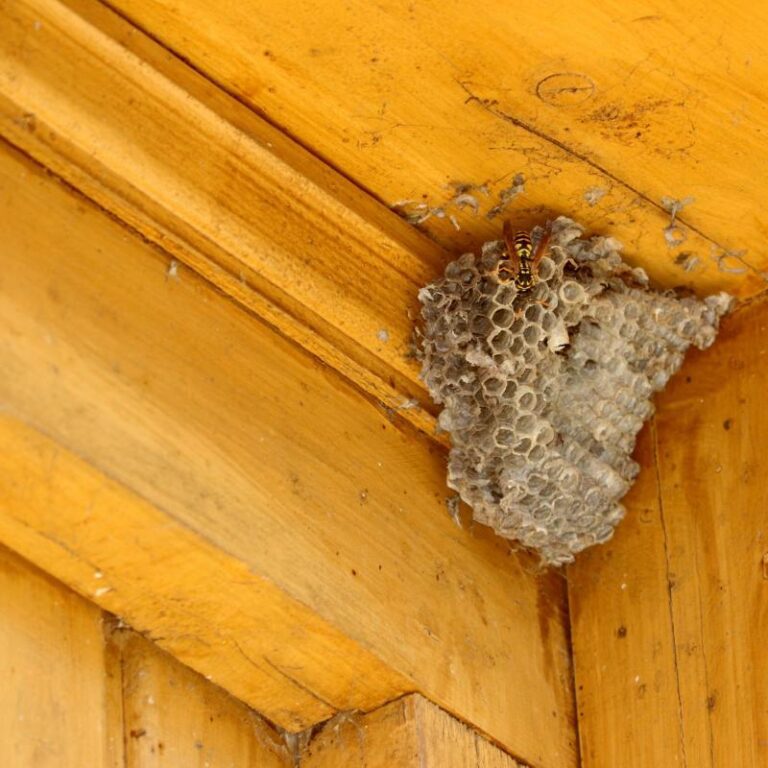
By April, a queen who’s found a safe spot will start constructing the first part of her nest. It’s a delicate, papery structure made from chewed wood and saliva. She’ll also begin laying the first eggs. At this stage, nests are still small — often the size of a golf ball — but they grow quickly.
May – First Workers Hatch
In May, the first workers hatch and take over nest-building duties, foraging for food, and defending the queen. You might notice increased wasp activity near garden sheds, eaves, or air bricks. If you hear a soft buzzing in the loft or see wasps regularly flying in and out of a specific spot, this could be a sign of a developing nest.
June – Expansion in Full Swing
This is the month when nests really take off. With more workers, the nest can grow to the size of a football and house hundreds of wasps. At this point, wasp sightings become more common around bins, barbecue areas, and outdoor food. It’s a good time to deal with nests before they get too large and aggressive.
July & August – Peak Season
By summer’s height, nests can contain thousands of wasps. They become increasingly territorial and likely to sting, especially in warm weather when they’re most active. This is when most people call in professional help — and with good reason. Attempting to tackle a nest at this stage can be dangerous without the proper equipment and training.
September – Drowsy and Aggressive
As the nest starts to break down, wasps no longer have a queen to care for. Many turn to sweet food and drink, becoming more aggressive and unpredictable. This is when you’ll see them buzzing around fruit trees, bins, and pint glasses at pub gardens.
October – Natural Decline
By October, most nests die off with the cold weather. New queens leave the nest to hibernate, ready to start the cycle again next spring. Any remaining wasps tend to die off naturally.