Wasp Season 2026: When It Starts and What to Expect in Kent
As spring takes hold across Kent, one seasonal visitor is already making its presence felt — the wasp. Whether you’re in Ashford, Folkestone, Tenterden, or Canterbury, wasp season 2026 is underway, and now is exactly the right time to understand what’s coming and how to protect your home or business.
Here’s everything you need to know about wasp season 2026, including when it starts, what drives activity levels, and what to do if you find a nest.
When Does Wasp Season 2026 Start in the UK?
Wasp season in the UK typically begins in April, when queen wasps emerge from their winter hibernation as temperatures start to climb above 10°C. In Kent — one of the warmer counties in England — this can sometimes happen a little earlier than in other parts of the country.
The season runs through to September or October, depending on the weather. So from now until early autumn, wasp activity will steadily build — and so will the number of calls we receive.
Here’s a rough timeline of what to expect month by month:
| Month | What’s Happening |
|---|---|
| March – April | Queen wasps emerge and begin scouting for nest sites |
| April – May | Queens lay first eggs; tiny nest foundations appear |
| June – July | Worker wasps hatch; colonies grow rapidly |
| August | Peak season — nests at full size, wasps most visible and active |
| September | New queens mate; workers become aggressive and aimless |
| October | Colony dies off; only new queens survive to hibernate |
What Makes 2026 Different?
This year’s wasp season follows an unusually wet winter across the UK. After the record-breaking dry and warm summer of 2025, winter 2026 brought heavy, prolonged rainfall to much of the country — a dramatic swing in conditions that climate scientists have called “climate whiplash.”
What does this mean for wasps in Kent?
A wet, cold winter can reduce the number of queen wasps that survive hibernation, which may mean slightly fewer new colonies forming in spring. However, this is no reason to be complacent. Even in a “quieter” year, thousands of nests will still be established across Kent, and a warm May or June can accelerate colony growth significantly. As the summer develops and temperatures rise, any nests that did get established will grow fast.
The bottom line: don’t assume 2026 will be easy on wasps. Wait-and-see is not a strategy.
Where Do Wasps Build Nests in Kent?
Wasps are opportunistic nesters and will exploit any sheltered, undisturbed space they can find. In Kent’s mix of older brick properties, rural cottages, and modern housing, common nest locations include:
- Loft spaces and attics — by far the most common in our experience
- Wall cavities and air bricks
- Garden sheds and garages
- Under roof eaves and soffits
- Dense hedgerows and bushes
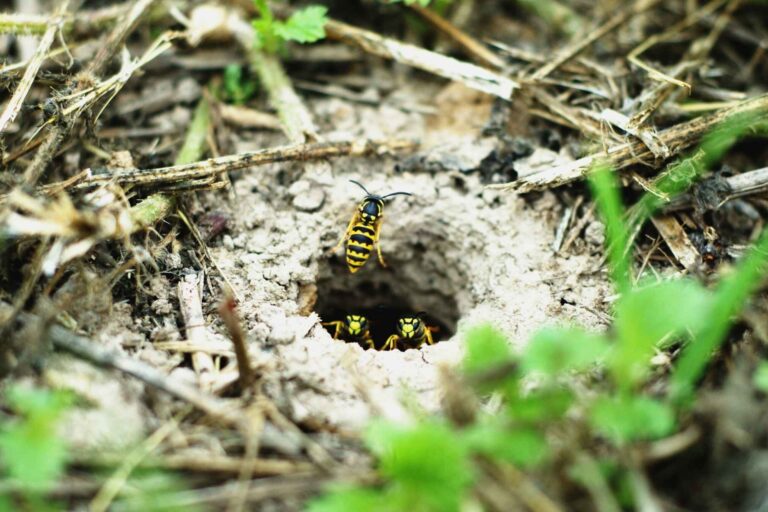
- Underground burrows in lawns or banks
By the time most people notice a nest, it’s already well established. A nest that started as a golf-ball-sized structure in April can be the size of a football — housing thousands of wasps — by August.
How Do I Know If I Have a Wasp Nest?
The most common signs of an active nest are:
- A steady stream of wasps flying in and out of a specific point on your property
- Unusual wasp activity inside your home (especially loft-related nests)
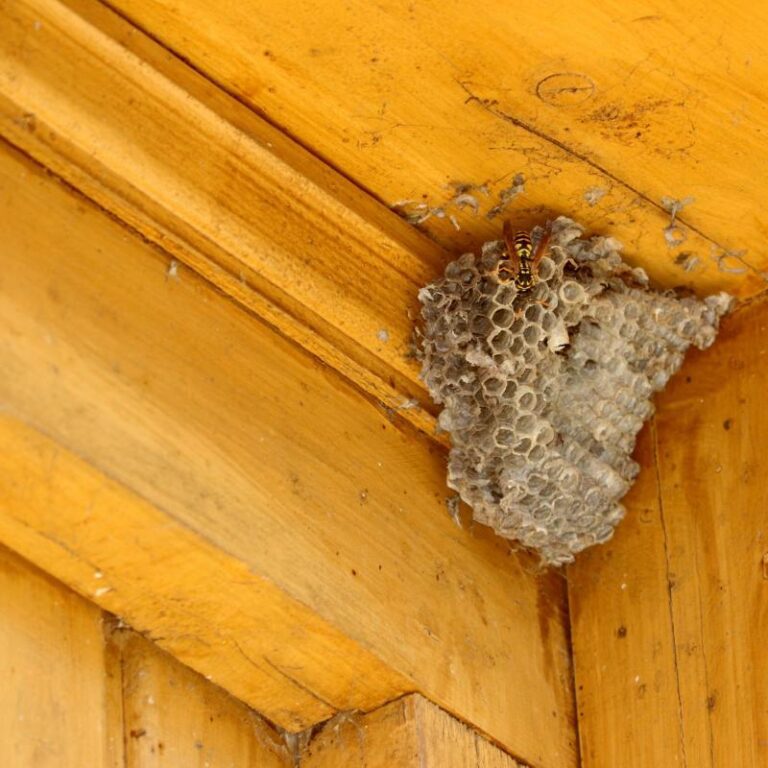
- A papery, grey structure visible in a shed, bush, or outbuilding
- A low buzzing sound coming from inside a wall or ceiling
If you’re seeing any of these signs, it’s worth acting sooner rather than later. A nest treated in May is a fraction of the problem compared to one left until August.
Is It Safe to Remove a Wasp Nest Yourself?
In short — no, and we’d strongly advise against it.
By mid-summer, a single nest can contain 5,000 to 10,000 wasps. Disturbing a nest without the right protective equipment and professional-grade insecticide can trigger a mass defensive response, putting you and anyone nearby at serious risk of multiple stings. This is especially dangerous for children, elderly people, and anyone with a known allergy to wasp venom.
Nests in loft spaces present additional hazards — confined spaces, limited visibility, and extreme summer heat all make DIY treatment genuinely dangerous.
The safest approach is always to call a professional.
Kent Wasp Control: Fast, Professional Nest Removal Across Kent
At Kent Wasp Control, we’ve been dealing with wasp nests across the county for over 14 years. Our RSPH-qualified technicians cover all areas of Kent, including:
Ashford · Canterbury · Folkestone · Hythe · Tenterden · Cranbrook · Charing · Bethersden · Woodchurch · High Halden · Hamstreet · Sellindge · Pluckley · Challock · Wye
And many more towns and villages across the region.
We offer:
- ✅ Same-day or next-day appointments
- ✅ Transparent, upfront pricing — no hidden charges
- ✅ Discounts for multiple nests at one location
- ✅ Kent Trading Standards Approved (Ref: K09432)
- ✅ Open 7 days a week, 7:00am – 9:30pm
Most treatments take just one visit and are completed quickly using professional-grade insecticide that eliminates the entire colony within 24–48 hours.
Act Early in 2026 — Don’t Wait for the Problem to Grow
The best time to deal with a wasp nest is as early in the season as possible. A small, newly established nest is quicker and easier to treat than a fully mature colony in the height of summer.
If you’ve spotted signs of wasp activity on your property — or just want advice — get in touch with us today.
📞 Call: 07802 500180 (7 days a week, 7am – 9:30pm) 🌐 Visit: kentwaspcontrol.com
Don’t let a small problem become a summer nightmare. Kent Wasp Control is ready.
Kent Wasp Control is part of County Bird and Pest Control, serving domestic and commercial customers across Kent.