Asian Hornet Update – What’s Happening in Kent
Asian Hornet Sightings Increasing – APHA/NBU Update (Week Ending 25 July 2025)
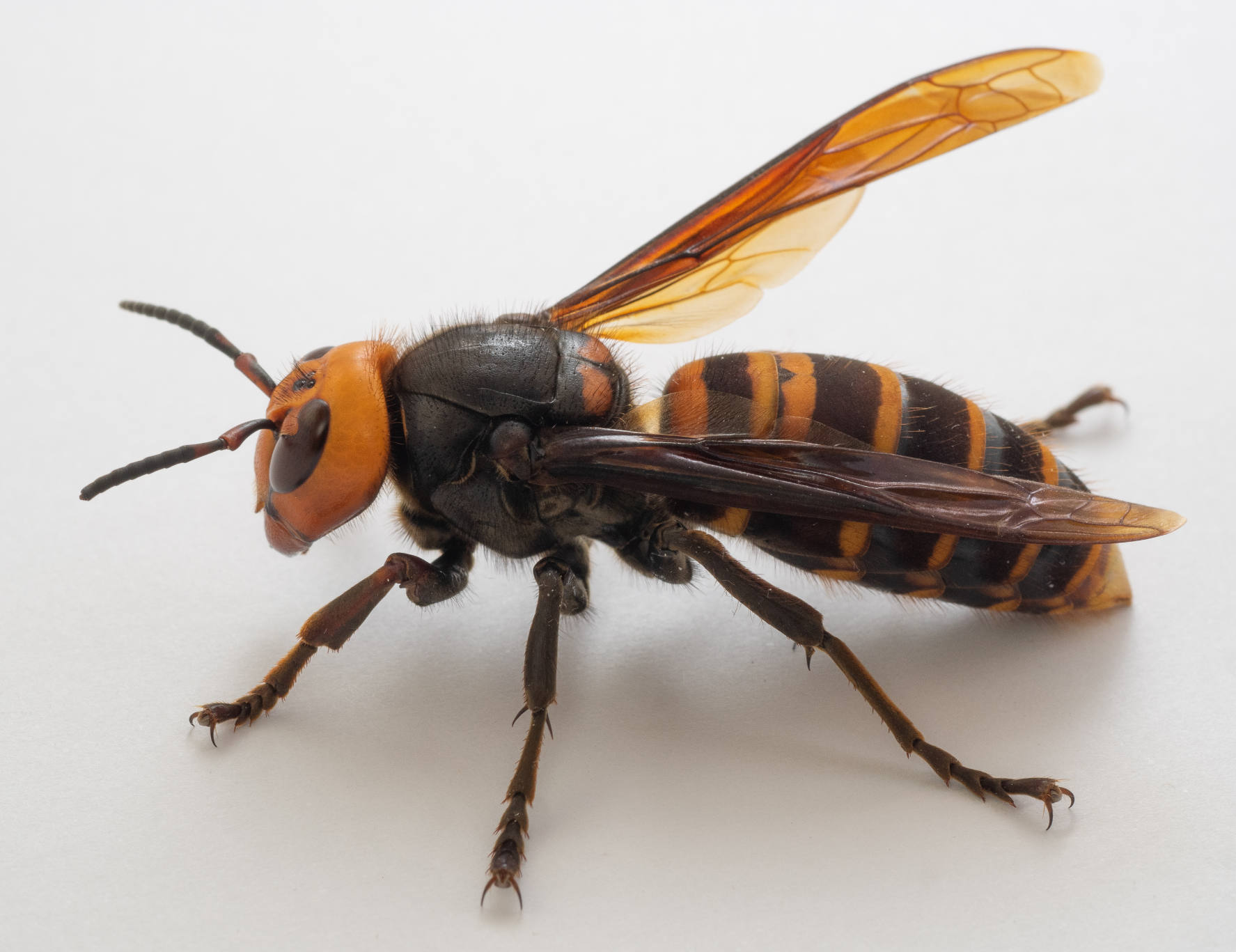
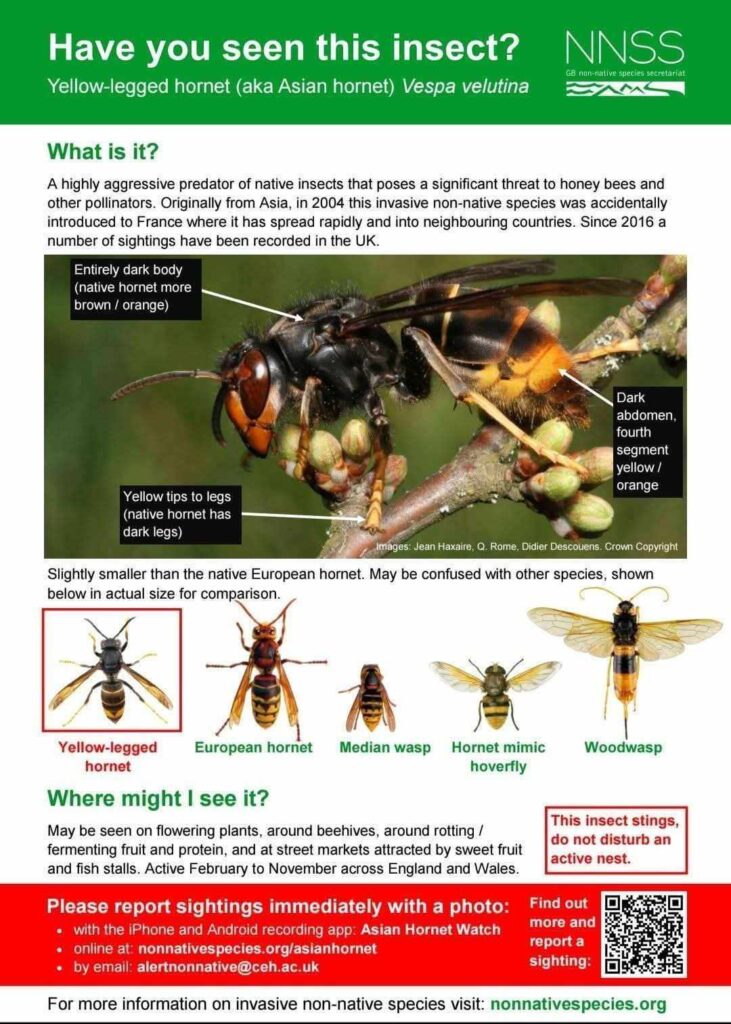
The National Bee Unit (NBU), part of the Animal and Plant Health Agency (APHA), has reported a sharp rise in yellow-legged Asian hornet (YLH) activity across southern England.
Sightings Continue to Climb
In the week ending 25 July 2025, the NBU received 10 new credible reports of yellow-legged Asian hornets, bringing the total number of confirmed sightings this year to 78.
New reports of the invasive hornet have been verified in the following locations:
- Kent
– Harrietsham (near Maidstone)
– Betteshanger
– Langdon Cliffs (Dover)
– Church Hougham - East Sussex
– Hastings - West Sussex
– Wakehurst - Dorset
– Verwood
Four New Nests Found This Week
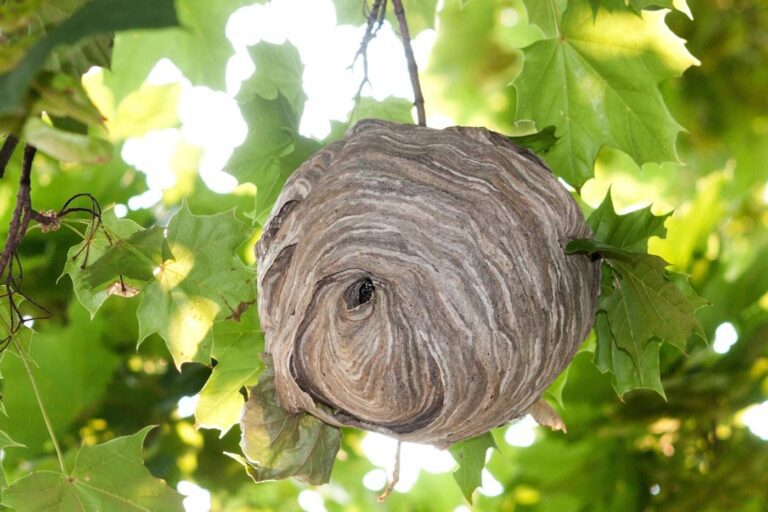
During the same period, four Asian hornet nests were discovered, including three in Kent:
- Whitstable, Kent – Nest found in a tree
- Sissinghurst, Kent – Nest located within a wall cavity
- Rochester, Kent – Nest hidden in brambles
- Verwood, Dorset – Nest found in a tree
All identified nests will be destroyed and, where possible, physically removed to prevent re-colonisation and to assist with tracking efforts.
This brings the total number of nests located and dealt with this year to 28 – a record high, and a clear indication that YLH activity is intensifying.
NBU Response and Ongoing Work
The NBU continues to follow up all credible reports, deploying trained field teams to track hornet sightings and locate nests using bait stations and triangulation methods.
Given the increase in sightings and nests, further discoveries are anticipated in the coming weeks – particularly in Kent and coastal counties where conditions remain favourable for nesting.
What Should the Public Do?
The public is being urged to stay vigilant. If you believe you’ve seen a yellow-legged Asian hornet:
- Do not approach or disturb the nest
- Take a photo, if it’s safe to do so
- Report sightings via the Asian Hornet Watch app or directly through the UK Non-Native Species Secretariat (NNSS)
Early detection is vital to limit the spread and protect native pollinators, particularly honey bees, which are vulnerable to Asian hornet predation.